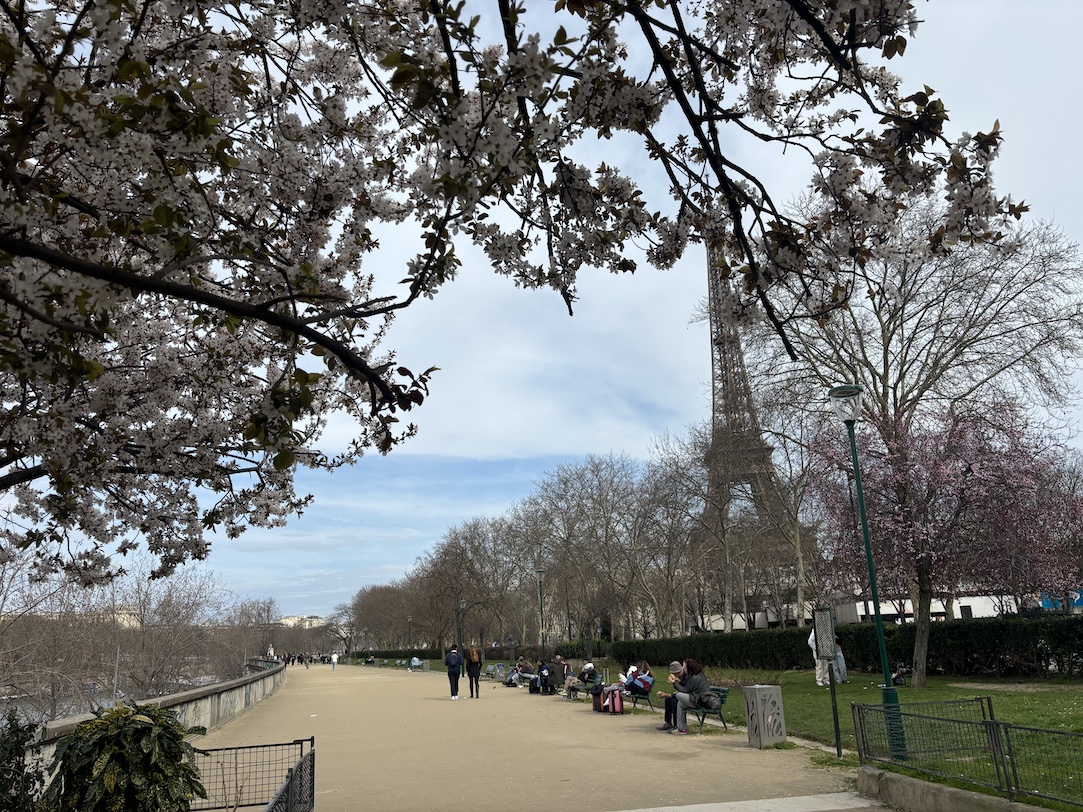
Moving to Paris: 25 Things I Wish I’d Known Before I Did It (2025)
Considering moving to Paris? Keep reading for tips and information from someone who did it!
I moved to Paris in early 2024 after having visited many times over the years. Before I moved, I had been living in Ireland with my partner, so I wasn’t new to living abroad – but that only partially prepared me.
Towards the end of my time in Ireland, I wrote a blog post about everything I wish I’d known before moving to the country and now I’m sharing the same reflections, but for Paris. While some things were probably predictable (the bureaucracy is not for the faint of heart), others surprised me (my favorite vegetable, kale, is usually nowhere to be found).
So, if you’re planning an imminent move to Paris or just wondering what life is like here, these are the things I wish I’d known before I did it.
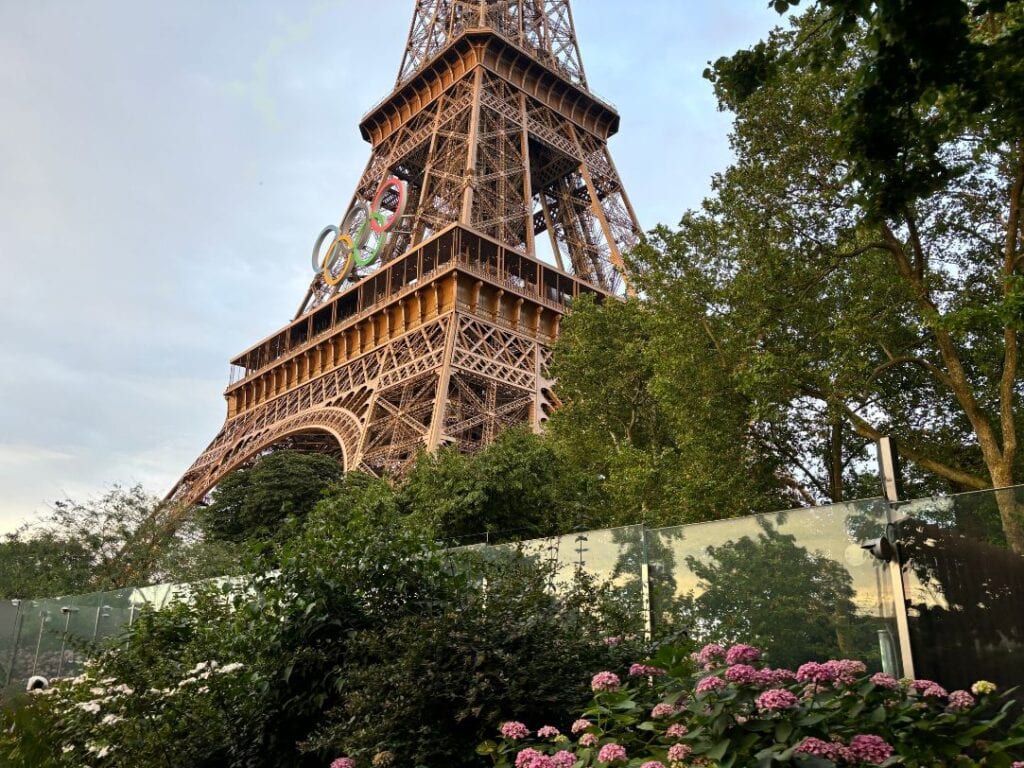
Things I Wish I’d Known Before Moving to Paris
Moving to a new country or a new city always comes with surprises – both positive and less positive. Here are the surprises I encountered after moving to Paris and all of the things I wish I’d known in advance.
1. I Had to Change My Wardrobe
While I don’t think you need to change your wardrobe in order to visit Paris, living here is a bit of a different story. In the months since I moved, I had to transition my wardrobe from the athleisure-heavy essentials I wore in both Ireland and the US to the more composed Parisian styles.
I’m not one to try to make fashion statements, so I just slowly changed my outfits to blend in with the styles I see on the streets of Paris. For me, that means lots of solid colors, sweaters, jeans, and sneakers.
For those moving to Paris: I wouldn’t try too hard to Frenchify your wardrobe before you arrive. Instead, you might set aside a budget for new clothes in your moving budget in case you, like me, find yourself not quite fitting in.

2. You Must Get Completely Dressed to Leave Your Apartment
In Ireland, as in the US, it wasn’t uncommon to see people step out of their apartments or houses in sweats to grab the mail or even run to the grocery store (depending on the store/circumstances). While it was a bit unusual to leave the house in Ireland with wet hair, it typically wouldn’t draw strange looks from strangers on the street.
In Paris, however, I almost never see people on the street who aren’t completely composed and put together – even if just taking out the trash.
Needless to say, I’ve had to pretty drastically change my habits in this area. I’ve been blow drying my hair regularly for the first time in my life, have a few outfits I can just “throw on” to run down the street for oat milk, and generally put a bit more thought into my appearance than I did before.
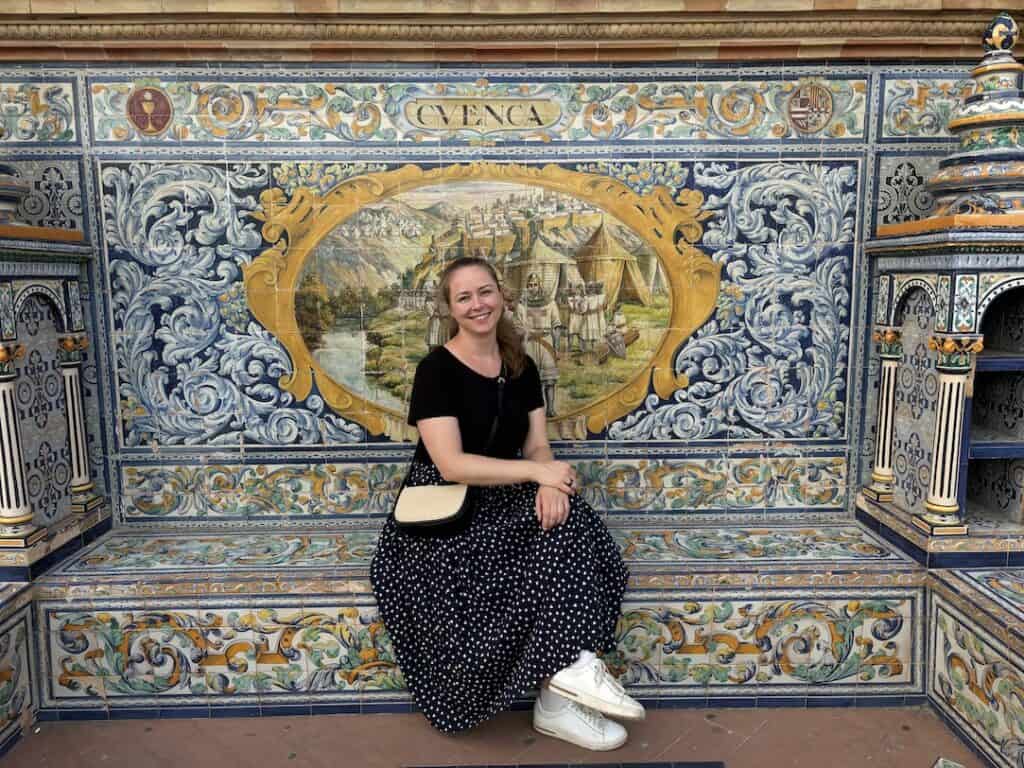
3. The Bureaucracy Will Wear You Down
The French are famous for their bureaucracy, which is slow, inefficient, and prone to errors. Coming from the US, where our bureaucratic processes can sometimes seem daunting, and having lived abroad, I figured I was mostly prepared. Boy did I underestimate things! 😅
I have faced some daunting administrative hurdles since moving, even when everyone assures me that the answers and process are (relatively) simple. Most procedures have to be done online, but the websites are prone to errors that are fixed very slowly (more on that below).
The best advice I can give anyone trying to navigate this system is to take it in stride, ask early and often for help from other expats/immigrants, and expect things to be resolved… eventually.
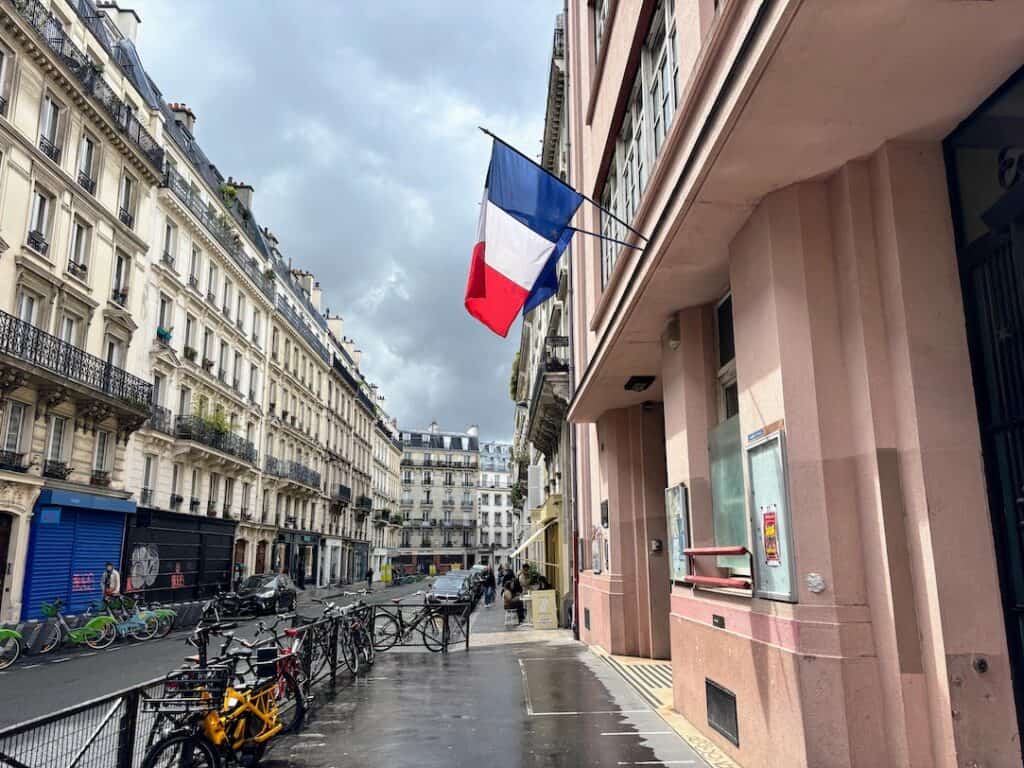
4. Government Websites Often Don’t Work
Arguably the most maddening of my bureaucratic hurdles have one thing in common: government websites that just don’t work. We’re talking bugs in the online forms that render them unusable – like a form that won’t submit because you failed the Captcha, but there’s no Captcha on the page.
The bugs in the forms would be bad enough, honestly, but they’re often paired with wait times of weeks to months for a fix – with no updates given along the way. There is no real recourse, no way to submit a paper form, and no one to talk to about it. You just have to notify them of the bug and keep trying until, eventually, it is fixed.
Yes, it can seriously mess up your progress and cause a tremendous amount of stress. I would’ve assumed, before I moved, that there was some sort of workaround but, to date anyway, I’m not aware of one. Sorry 😣 (from me, personally.)
5. Learn French As Soon As Possible
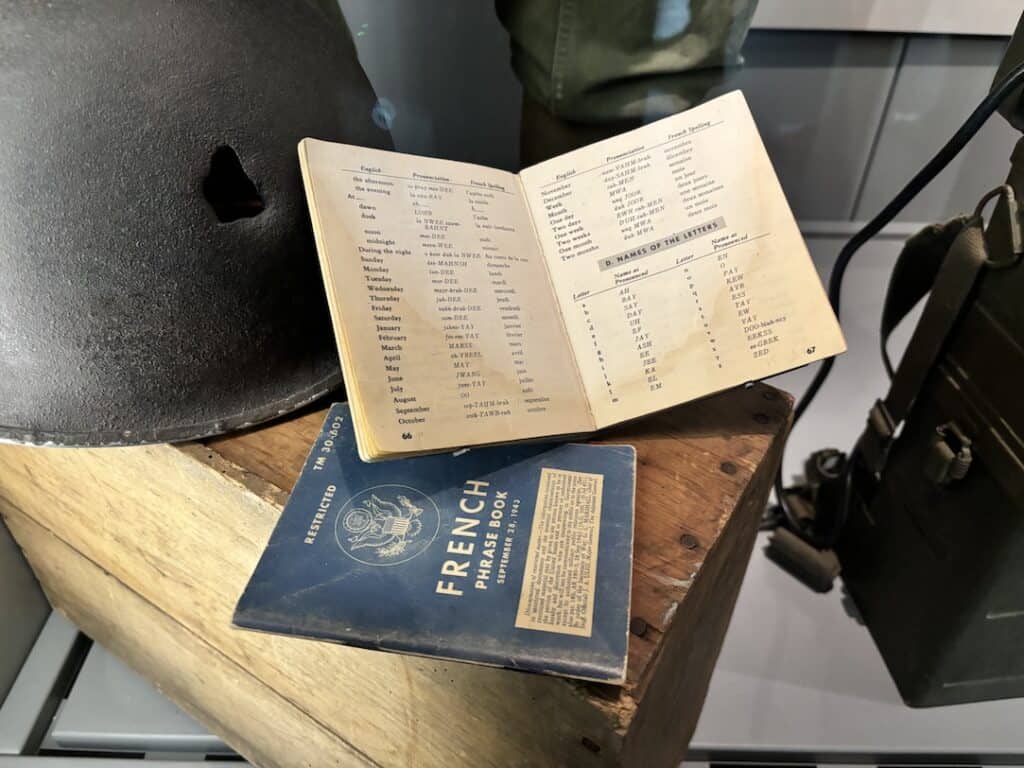
One could argue that I knew this before moving to Paris, but it really is essential to learn French as quickly as possible. While you can get around with just English for a while (and as a tourist), things just get easier when you speak some French. Learn some key phrases and enroll in a French class as soon as you can.
In my experience, people are kinder and friendlier when they hear you try a little in French, even if they give up on you and switch to English pretty much immediately. Plus, when you’re living in France, it’s just a respectful thing to do!
6. Paris Offers Affordable French Classes
Arguably the best decision Jake and I made after we moved was to enroll in the French classes throughout our local Mairie (city hall). The classes are high quality, the instructors are native speakers, and the curriculum includes plenty of practice speaking, writing, reading, and listening.
I knew about the classes when we first arrived in France, but it wasn’t until the fall of 2024 that we first enrolled. Our intensive (8 hours/week) French class cost €300 per person and met in person in Paris.
You can register for the classes during the enrollment period here: Cours d’Adultes de Paris.
The classes are competitive. To have the best chance of enrolling, here are some tips from my experience and what I’ve heard from others:
✅ Have your application ready to go before enrollment opens. You’ll need to upload a photo and some other information.
✅ Apply as early as possible. Like, set an alarm and put your application through in the first 15 minutes it’s open (even though the site claims you can apply anytime).
✅ Write something compelling for your essay/motivation section. Write it in French.
✅ Be open to other sessions/times and put that on your application. They probably won’t send you to another section, but it never hurts to appear flexible.
Of course, if you can’t enroll in these classes or aren’t accepted, there are lots of private alternatives.

Thinking of Moving to Paris? Want Personalized Advice?
👉 Book a consultation with me!
7. Spoken French and “School French” are Pretty Different
With A2 level French, I can comfortably navigate most daily situations where you buy things (fromagerie, boulangerie, grocery store, etc.), but I often get lost when listening to ordinary conversations. Just like in English, people in Paris use lots of slang and shorthand, which can be hard to follow for French learners.
There’s also verlan, a type of French slang language that inverts syllables to create new words. This style of speech dates back to the 19th century and was first used as a code language among criminals. It was later popularized in the suburbs that were heavily populated with North African immigrants in the 1960s and 1970s, especially gaining popularity among second generation immigrants who straddled two cultures but never felt fully at home in either.
So, don’t be surprised if you’ve studied French for a while and still get lost in some situations! 😬
8. You Need a Dehumidifier
Coming from Colorado, I don’t have deep knowledge of dealing with dampness; everything I learned, I learned mostly in Europe. The long and short of it is this: for wet, damp climates, you probably need a dehumidifier. Paris is no exception.
We have struggled with some mild issues, but I know others who have horror stories of moldy apartments. If you can, get a solid dehumidifier with a digital readout so that you can monitor the humidity in your apartment.
We also have air purifiers to combat the pollution in central Paris – I highly recommend these, as well. As a bonus, they also help to keep the dust to a minimum and offer some white noise to insulate us from the noise of our (very nearby) neighbors.
9. You Can Hear Your Neighbors Breathe
Ok, that header is a little dramatic, but sound transfer in Parisian apartments is no joke. This is especially true in the older Haussmann buildings, where the walls and floors are famously thin. If you’re sensitive to noise, consider finding a newer build that offers slightly more insulation than the beautiful, older buildings.
Naturally, if you can hear your neighbors, they can hear you. Try to be extra courteous of those around you by keeping the volume minimal, especially when others are trying to sleep.
In my building, the quiet hours are from about 10pm to 8am – during that time, I try not to wash laundry, use the blender, play loud music, or walk around excessively.
10. Get a Warm Coat
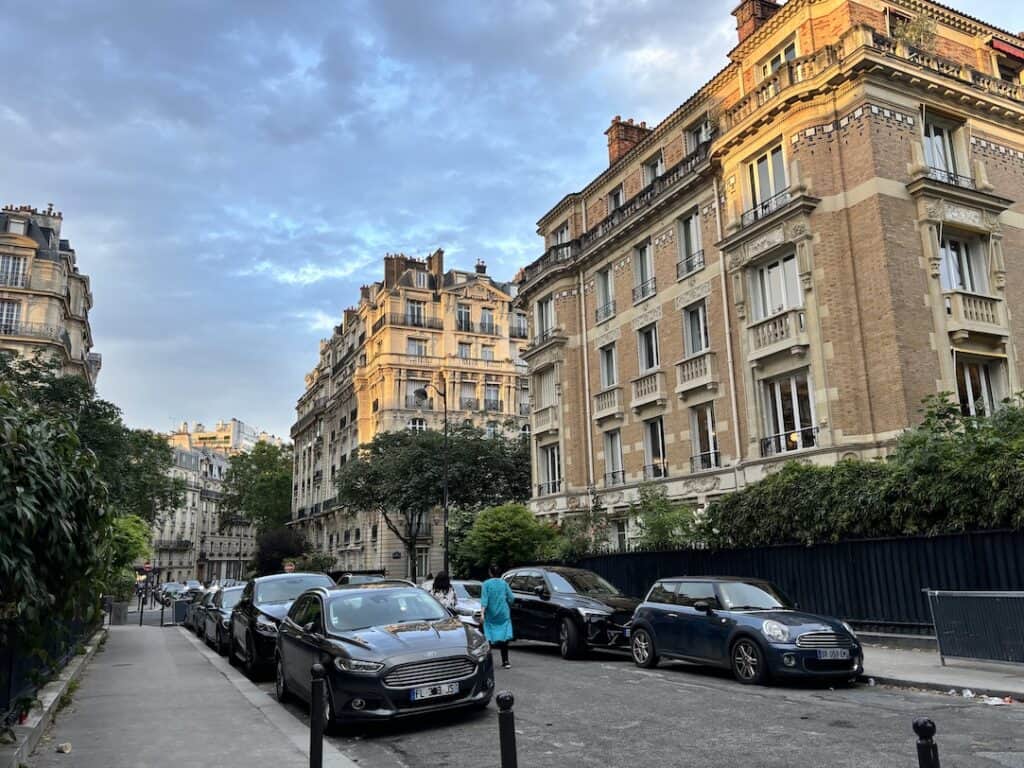
One of the enduring lessons I learned while living in Ireland is that you really can change your experience of a place by having the right coat. It might seem obvious, but if you’re cold when you go outside in Paris, it’s time to get a warmer coat. Seriously. If you are cold for longer than the ~5 minutes or so it takes to adjust to being outside while wearing your winter coat, you’re probably unnecessarily miserable.
The winter already sucks. It’s dark, it’s cold, and the days are short. Do yourself a favor and invest in some warm layers. A thick, loose-fitting wool (seriously like 80 to 100% wool) sweater, a wool or down AND waterproof jacket, a set of long underwear, and warm shoes are essentials. If you’re not able to keep your apartment toasty warm in the winter, invest in merino wool layers to wear at home.
For those not from cold climates, a few tips: loose clothing is warmer than tight clothing. Wool is warm even when wet. Take off layers instead of sweating in them; it’ll keep you warmer in the long run. Cotton – even thick cotton – is never my first choice of fabric for keeping warm. Yes, you need gloves, a hat, and a scarf on cold days.
11. The American Library in Paris is Indispensable
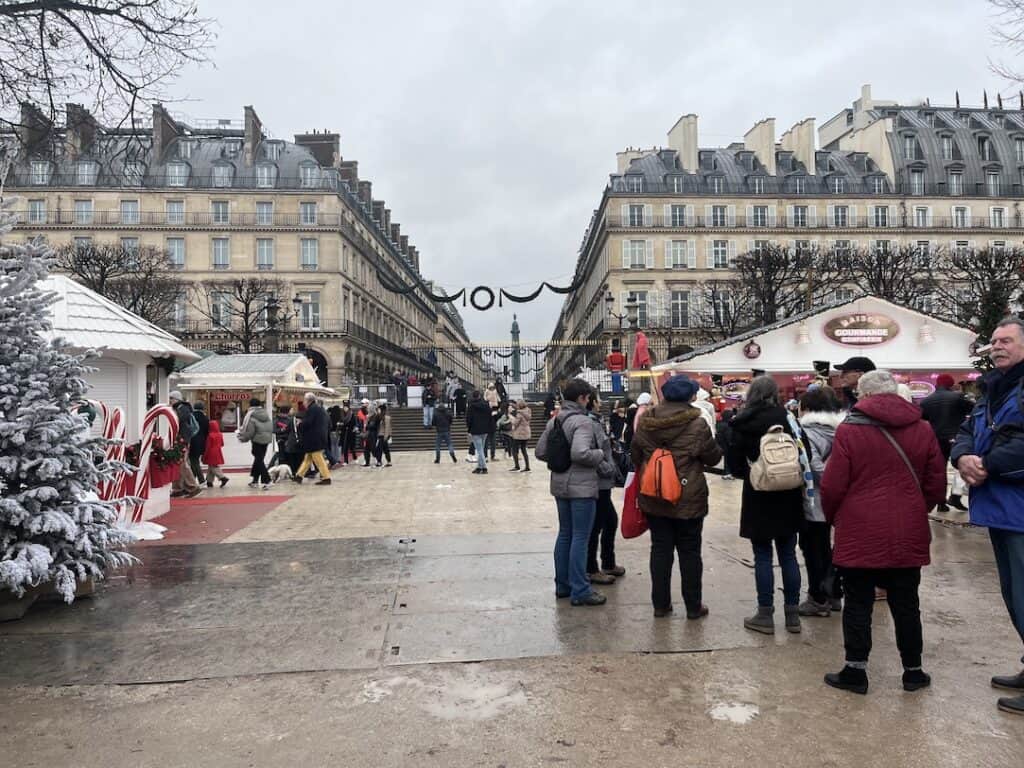
I love the American Library in Paris. I host a monthly book group there, I’ve made friends with the staff, and it’s one of my favorite places to go in Paris when I need to get some (quiet) work done. This privately run library is not supported by the French or the US government, but instead by grants and private memberships.
From being a reliable place to find English speakers to their enormous collection of books in English, joining the American Library in Paris was one of the easiest decisions I made after moving.
Oh, and they have events all of the time! (Typically free for members.)

12. Apartments in Paris Choose YOU (not the other way around)
If you ask me, I’ll undoubtedly tell you the arrondissement(s) that I think you should target in your housing search. You can set a budget, target a type of building, and decide whether you’re interested in a furnished or unfurnished building. At the end of the day, however, it might all come down to which apartment chooses you.
When I was looking for an apartment in Paris, I saw probably 20+ apartments that generally fit the idea of what I was looking for. The nicest ones, of course, were the most competitive – often, I wasn’t even given a chance to view them. Despite my attempts to move to a hip neighborhood with lots of cool restaurants, another arrondissement called me. And called. And called.
I am writing this apartment from my apartment, which I actually adore – despite there being very few affordable, cool restaurants nearby.
13. Working in Cafes is Not a Thing
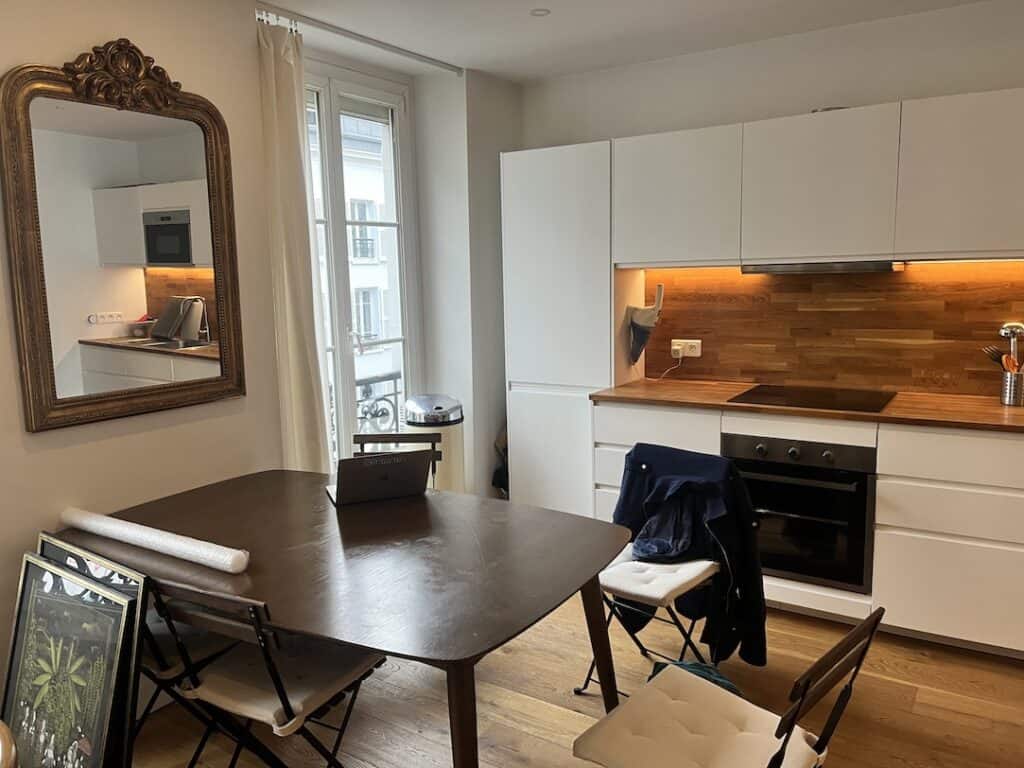
My fellow freelancers and remote workers beware: French cafes (by and large) do not allow laptops. There are certainly exceptions, but I’d estimate that for every cafe that allows laptops there are 5-7 that forbid them. Further, even those cafes that tolerate laptops usually have exceptions for the weekends or lunch hours.
I have all but given up on working from cafes in Paris, but when I do want to work outside of my house, here are a few of my favorite spots:
- Noir – a chain of coffee shops that generally tolerate laptops.
- Ten Belles – also a coffee chain that tolerates laptops (except on the weekends). They have sandwiches, too!
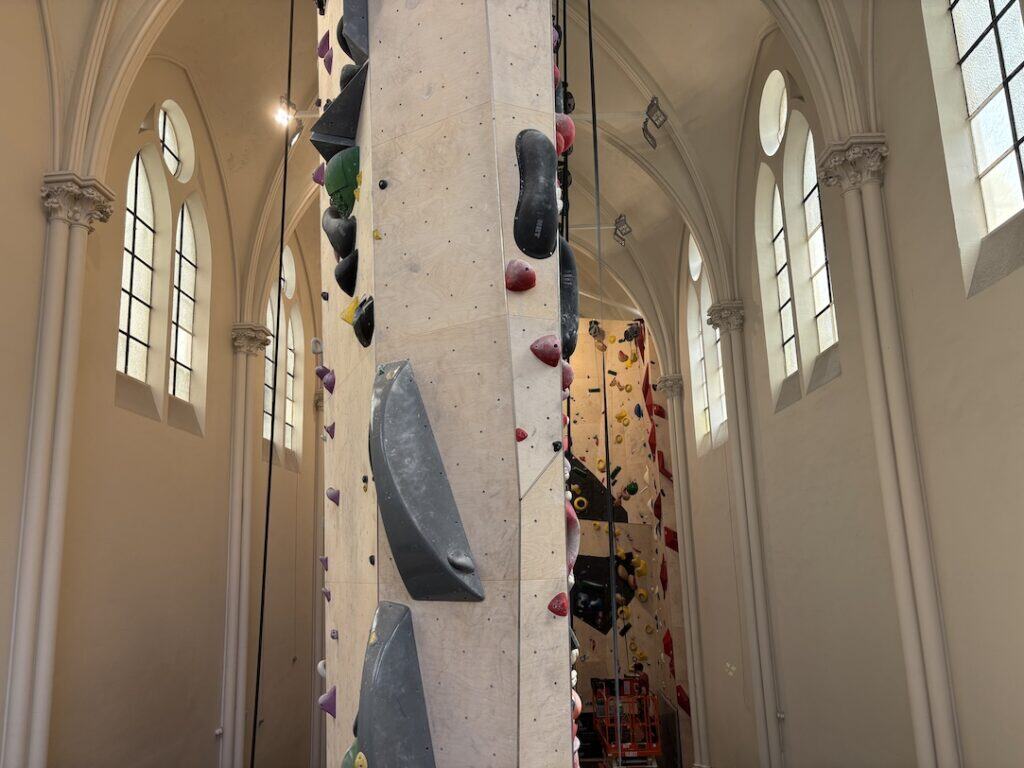
- Climbing District – a set of rock climbing gyms that offer €5 coworking passes (or ~ €20/day climbing and coworking passes). The Canal Saint Martin location is my favorite, but the staff is always nice, the wifi is fast, and they have a few phone booths.
- The American Library in Paris – the wifi is slow, but it’s a quiet space with a few bookable private rooms. Not very cost effective for one day, but absolutely worth it if you live in Paris and will go often.
- Starbucks – if you really need a place to reliably work, this is a solid option. They’re all over the place, won’t care if you pull out a laptop and sit for hours, have outlets, and the hours are convenient. Just don’t leave your stuff unattended or expect the bathrooms to be clean.
14. It’s Hard to Find Kale in Paris
At one point in my A1 French class, I was asked my favorite vegetable: kale (or chou kale in French). When the teacher gave me a quizzical look, another student pulled up a photo to show him. Nothing. Despite being pretty widely available in Ireland and Italy – in my experience, anyway – kale seems to have never really made it to Paris.
The best substitute I’ve found (that’s reliably available, anyway) is savoy cabbage. It sautees similarly to kale and has a similar flavor profile once you get over how it looks. Still, you may see kale on the grocery store shelves from time to time – meaning you might just get lucky when you go out looking for it!
And if you’re reading this and thinking: “But Amber, my local store in Paris has kale all of the time!” Email me the name of your store, please.

15. Lots of People Who Live in Paris Are Just Passing Through
One of the most common (two part) questions you’ll get asked as a foreigner in Paris is: why are you here, and how long will you stay?
At first I found these questions hard to answer because the truth is, essentially, 1. Because I wanted to, and 2. Permanently. I’ve found that these are rather unsatisfying answers by Parisian standards – most people accepted my response but still seemed a little puzzled.
After a while, I did start to get it, though – a lot of people are just passing through Paris. Whether they’re here for a few days to a year or two for a job, it’s a common question mostly because people usually aren’t planning to stay long term.
When I come up with a good, succinct way to answer this question, I’ll let you know. In the meantime, I did ask someone who has lived in Paris for a few decades if he still gets this question and he said, “No, but they were surprised I chose to stay after I retired.”
16. It’s Important to Link Up with the Expat/Immigrant Community
I could’ve told you before moving to Paris that it’s important to have a community wherever you live, and that having people who understand your experience (other immigrants) is very important. Still, I have found this to be even more essential in Paris, where the bureaucracy and systems can be hard to navigate.
That’s not to say that French friends are less important – they’ll also help you integrate! I simply recommend that you make friends in both communities.
Note: Unlike when I was on the expat groups in Ireland, the Facebook groups for expats living in Paris can be a bit… hostile. Comments like, “Well if you don’t like it just leave!” crop up from time to time, often in response to a reasonable challenge or complaint.
I asked the admin of one of these groups and she surprised me with her explanation: a lot of people harshly commenting in the expat groups don’t actually live in Paris. Mean commenters tend to be people who want to live in Paris and are particularly intolerant of complaints from those who have made the move. I don’t see these types of harsh comments often, but when I do I usually just block the commenter and move on.
17. Parisians are Basically the New Yorkers of France
If you meet French people who are not Parisian, they’ll usually tell you that Paris is not like the rest of France. Typically, this was said with a bit of an edge that I didn’t completely understand – once someone even told me that French people outside of Paris hate Parisians (this seems overstated to me).
I was pretty confused about this until it occurred to me that Parisians are to France what New Yorkers are to the US. Sure, New Yorkers are Americans, but they also have a pretty distinctive subculture that doesn’t exist outside of the city. New York City, like Paris, also has its own history, attitudes, accents, and customs.
So, if you’re thinking of moving to Paris, be aware that Parisians have a culture that’s distinct from the rest of France!
18. Scammers are Everywhere
From pickpockets to “petition takers” to scam callers, you will likely be confronted with a barrage of annoying scammers nearly daily in Paris. For me, this was a real departure from my experience in Ireland, where scams felt rare. The digital scams seem less prominent than I was used to in the US (I don’t know anyone who answers unsaved numbers these days), but the in person scams are omnipresent.
Personally, I won’t answer phone calls from numbers I don’t know, just like I wouldn’t in the US. I also suggest that you look up any business you’re considering hiring on Google Maps to see if they have bad reviews, don’t just take someone’s recommendation blindly.
Oh, and Parisians very rarely approach you for anything other than directions or, in the case of panhandlers, some spare change. So, if someone’s asking you something involved or giving you some long speech, that’s definitely a red flag! 🚩
19. There’s Nowhere to Hike (Nearby, Anyway)
Paris is renowned for its green spaces – sprawling public parks really are scattered throughout the city. Still, for those looking to hike or camp, the hikable spaces are at least a day trip away. This was hard for me to swallow, as someone from Colorado and accustomed to having mountains in my backyard most of my life.
My favorite nature-focused trip was to the Italian Alps in early 2025, though I also had a nice time going for cliff walks in Brittany and hiking near Lyon.
Without taking a day trip or weekend, your best bet is to walk in one of the parks, especially the two just outside of the city. The Bois de Boulogne is a beautiful, spacious park to the west of Paris and the Bois de Vincennes is located to the east/southeast.

20. It Rains a Lot
You might think I would be ready for the rain having lived in Ireland, but Parisian urban rain is a bit of a different beast. One major difference is that days with torrential downpours are a bit more common than I was used to in Ireland, where the rain was lighter but more common.
Rainy days mean gross puddles full of urban sludge, requiring near constant vigilance while walking. Although I never had this problem in Ireland, my Blundstone boots have, on a few occasions, completely soaked through while walking in the rain in Paris.
I’ve learned to carry an umbrella, try to plan my days around the rain (it’s a good excuse to take the Metro), and to take an Uber if things start to get out of control. On the bright side – literally – there’s a bit more sunshine in Paris. According to Wikipedia, Paris gets 1,662 hours of sunshine annually, compared to only 1,453 hours of annual sun in Dublin.
21. Switch Your Driver’s License ASAP
When I lived in Ireland, I had to start mostly from scratch getting a driver’s license because Ireland didn’t accept my US license for exchange. Starting with my theory (written) test, I started to move through the process. I had finished my required driving lessons and was waiting to take the final test when I moved to Paris.
Luckily, France accepts US licenses from some states for exchange and mine (Colorado) is one of them! Here’s the rub: you have one year from when you arrive to complete the process. So, start immediately when you arrive.
Here is the site where you can start the exchange process. As of 2024, here are the states where licenses are accepted for exchange: DE, MD, OH, PA, VA, SC, MA, NH, IL, IA, MI, WI, AR, OK, TX, CO, FL, and CT.
As with most administrative processes in France, you’ll need a long list of documents in order to exchange your license (and some of them do need to be translated). Just take it one step at a time, that’s all you can really do!
22. Apartment Break Ins are Common
Safety in Paris is always a hot button issue, but it can be hard to know what people mean when they say areas are “unsafe” or “sketchy.” From my experience, most crime in Paris is some version of theft – mostly pickpockets and apartment break ins.
Most apartment break ins tend to happen during the day when people are out of their apartments. Be sure to lock your doors (don’t just pull them closed), don’t leave keys around, and close your windows tightly before you leave.
There are also a number of scams where someone will come into your house to “check the gas meter” or similar. Then, they’ll charge you a fee for their fake service or check for valuables to steal then or later. These can be hard to spot because legitimate meter readers often come to your apartment with little or no notice!
If you’re considering a camera for security, just remember that any cameras are usually set inside your apartment and facing the door due to privacy concerns for neighbors.
23. People are generally very helpful
Despite having a reputation for being curt or worse, I’ve found that most people I’ve encountered in Paris have been kind and helpful. It is important to be polite and follow local customs (don’t forget to say “Bonjour/Bonsoir”!) as much as you can.
However, being helpful and being friendly are two different things. Like other urbanites from large cities, most Parisians aren’t overly warm or welcoming to strangers. Don’t take it personally, just be polite and ask for whatever help you need; they’ll probably be happy enough to point you in the right direction.
On the off chance you encounter someone who is just rude or unpleasant, try to keep the interaction short and just let it go. Remember: there are rude people everywhere, sometimes you just get unlucky.
24. You Will Use the Arrondissement System Constantly
Central Paris is divided into 20 arrondissements. Although I was aware of the arrondissements when I moved, I didn’t really understand the system and largely ignored it at first. After a few weeks, though, I got the hang of it and it’s hugely helpful.
Just knowing the arrondissement, I can tell pretty quickly how far something is from me, loosely how I can get there (walk/metro/bus), and I even have a bit of a sense of the vibe I can expect. Lots has been said on which arrondissements are best, but you don’t need to know that right away.
Simply spending a few minutes familiarizing yourself with the system. Then, pay attention to which arrondissement you’re in at any given time (hint: they’re written on the street signs) and before you know it you’ll get the hang of it!
25. Get a French Number ASAP
You need a French number and European bank account starting pretty immediately in Paris (although a French bank account is ideal). From getting a Navigo card to health insurance to housing, you’ll need to be able to send money and receive calls to do almost anything in Paris. I recommend setting these things up as soon as you arrive, if possible.
I use Orange.fr for my phone plan and it works fine most places in Europe. I specifically appreciate that you can pull up a PDF with your phone bill and address on it in their app/on the website, which I’ve used several times for my proof of address.
For a bank account, I have and use Wise, which lets me hold both a USD and a EUR account (and transfer between them). The EUR account is technically in Belgium, but that hasn’t been an issue for me yet – in Ireland or in France.

Conclusion
Having lived in Europe for several years, I thought I was pretty well prepared for life in Paris. In many ways, I was prepared – but there were also some things that would have been very nice to know ahead of time.
From exchanging my US driver’s license to getting a French phone number to having a warm (and stylish) coat, this post covered some of the most important things I wish I’d known before I arrived. If you’re considering a move to Paris and want to chat about it, consider booking a consultation with me here.
Hi, this is a comment.
To get started with moderating, editing, and deleting comments, please visit the Comments screen in the dashboard.
Commenter avatars come from Gravatar.